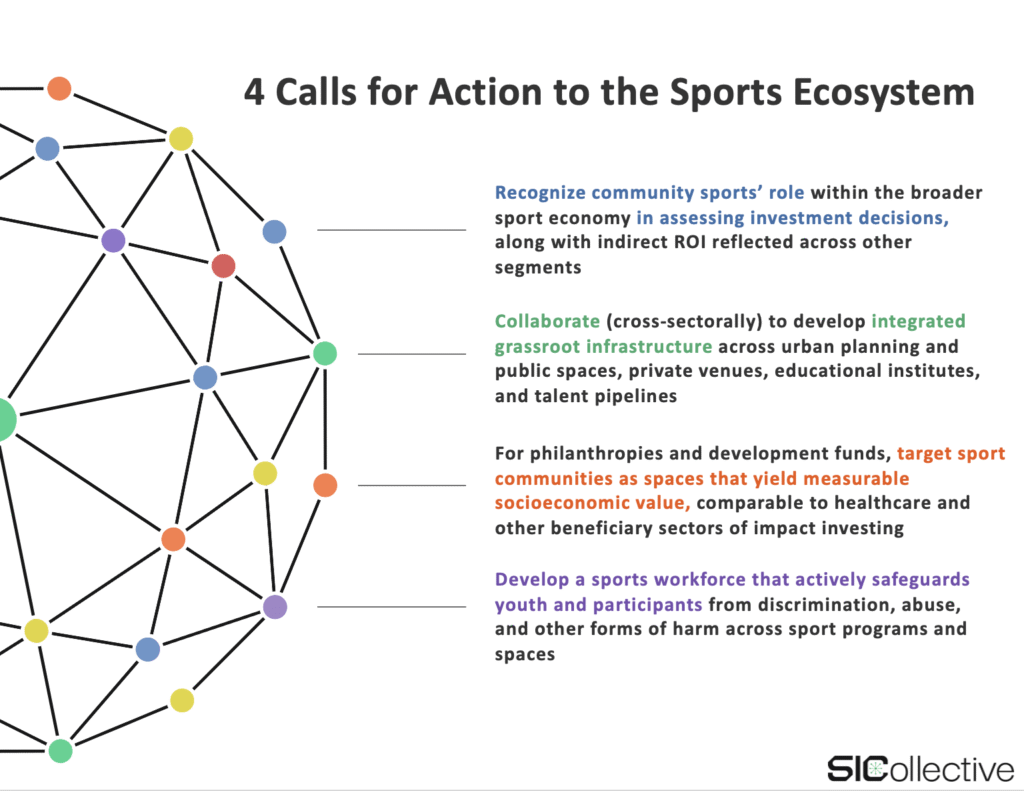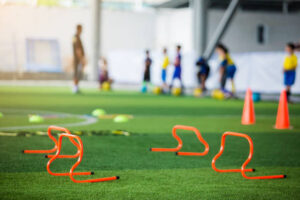
Often underserved compared to professional and purely commercial segments in sport, grassroot communities play a foundational role across society, wellbeing, and the very economics of the broader sport ecosystem; yet, investment decisions around community sports are often met with skepticism on commercial viability, reach, and lack of measurable outcomes.
Defining grassroot sports
The theme of grassroot sports plays a role across a wide range of dimensions throughout our socioeconomic systems, the Collective has defined a framework to capture these dimensions and to distinctly outline where grassroot communities stand out as a standalone segment in sports
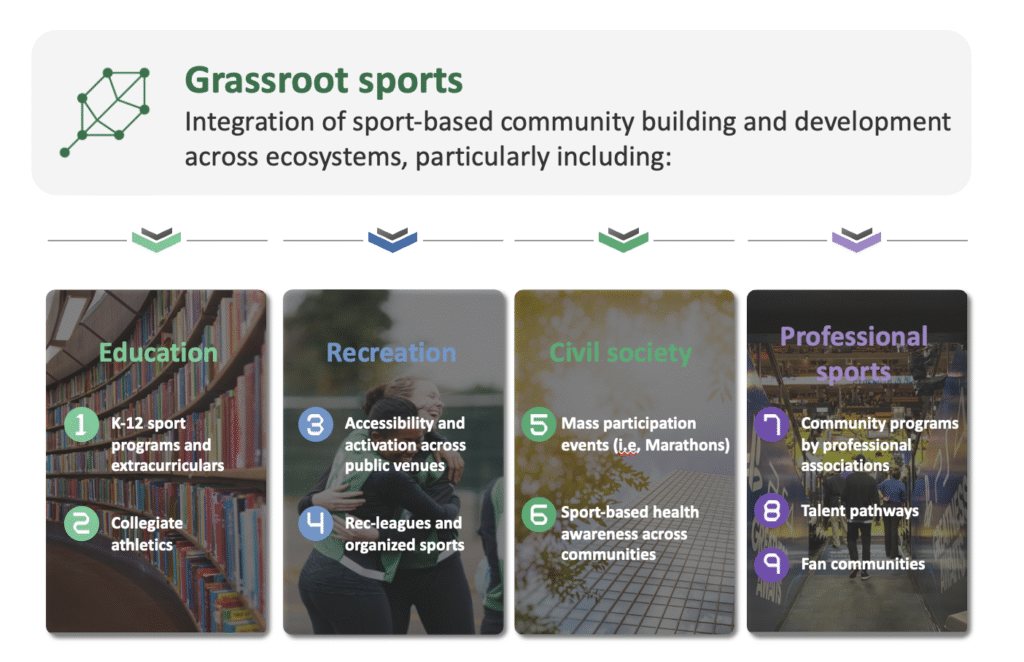
Emerging trends across mature geographies
Consolidated out of our client work, inputs from community partners, and own expertise in industry, outlined are 8 trends that are shaping the status quo of grassroot sports across mature geographies:
Sport spaces setup as platforms for reduced inequalities
With physical activity actively contributing to 6 SDGs, sports across its segments present a unique avenue for change and social cohesion; this is reflected in professional sports as global platforms leverage their reach to amplify awareness on equity (i.e, think the Champions League’s classic RESPECT patch amongst others) and purpose, as well as recreational segments across developed geographies, increasingly setup as platforms for awareness and discourse on topics of civil importance, from local politics to environmental sustainability; Besides platforms that actively promote equity, sport’s team-based environments of play continue to build inclusive micro-cultures across generations and geographies.
Partnerships and consortiums are launching safeguarding initiatives for kids
Federations, national Olympic committees, academic institutes, NGOs and intergovernmental entities are partnering to ensuring the safety and wellbeing of underage participants in sports, safeguarding sport spaces from risks, violence, and other forms of harm; these initiatives set guidance for proactive prevention of abuse and safeguarding through production and distribution of resources, facilitating discourse and stakeholder engagements around the topic, and actively promoting respect and inclusivity across spaces. Beyond the context of K-12 education, these initiatives extend to public and private organized sports and rec-leagues as well.
Digital platforms are redefining how communities form around sports
The global running community is one that has significantly been transformed through digital platforms over recent years, Strava, and other platforms with social tracking features have redefined what it means to be within a running community; This exemplifies a much broader trend across other sports, as communities are increasingly forming around digital performance tracking and score-keeping. Digital transformation is also fundamentally reshaping the fan experience during live sporting events, as associations and clubs integrate unified digital experiences with social features around stadiums and venues.
Sport spaces are being integrated within urban planning across smart cities
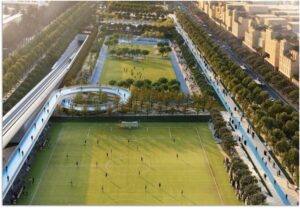
Distinction between the urban public and specialized sport spaces is thinning more and more across smart cities around the globe, as urban planning integrates more inclusive, functional, and green public spaces that promote active communities and their wellbeing. Urban gigaprojects are also increasingly being centered around sport and physical activity, from Paris’ Green Belt Sports Trail to Riyadh’s Sport Boulevard, major developments are redefining the intersection of sport communities and contemporary urban lifestyle.
Federations are increasingly investing in grassroot sports to strengthen local talent pathways
Talent pipelines are focusing on segments further down the talent pyramid more and more as professional development ecosystems are further studied; national talent strategies are actively targeting grassroot community development as basis for higher talent tiers. Beyond directed investments, professional leagues are also encouraging in-house talent grown within grassroot ecosystems, with multiple football leagues enforcing set roster spots for ‘homegrown’ talent from the Premier League to Serie A and others.
Policymakers are legislating anti-abuse in semi-pro sport environments
The US published the regulatory-leading Safe Sport Authorization Law in 2018, enforcing due reporting of abuse in amateur sport spaces and establishing a dedicated center along with other resources; since then in recent years, EU countries like Norway formalized what were previously public guidelines into formal policies at the national level, similarly legislating no-tolerence policies for harassment in sports.
Pro-am events are being hosted for impact more increasingly
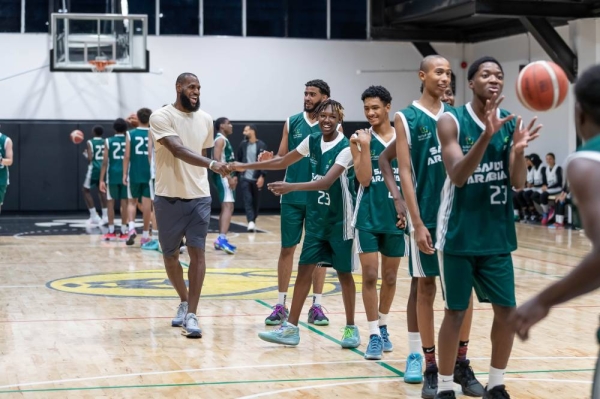
Pro-ams define a classic part of community engagement at the professional level in sports, and while tournaments across Golf, Basketball, and other sports have been held for decades, pro-ams have increasingly integrated impact within recent years, from pure fundraisers to awareness raising in events, seen across from celebrity-hosted tournaments to corporate events; LPGA’s recent 75th anniversary fundraiser for its affiliate Foundation exemplifies this, raising over $4.1Mn for community efforts in women’s golf.
Professional sporting associations continue to lead community philanthropy around sports
While sport communities are sometimes subject to engagement from traditional NGOs and humanitarian funds, philanthropy in this intersection is by far defined by efforts of formal sporting associations, league-wide impact programs, affiliate nonprofits, or engagements at the club and player level; from hosting of community events and donation of supplies and equipment to grantmaking and financial support, major leagues around the globe are estimated to cumulatively invest $1.22Bn annually in community sports.
The Economic Case for Sport Communities
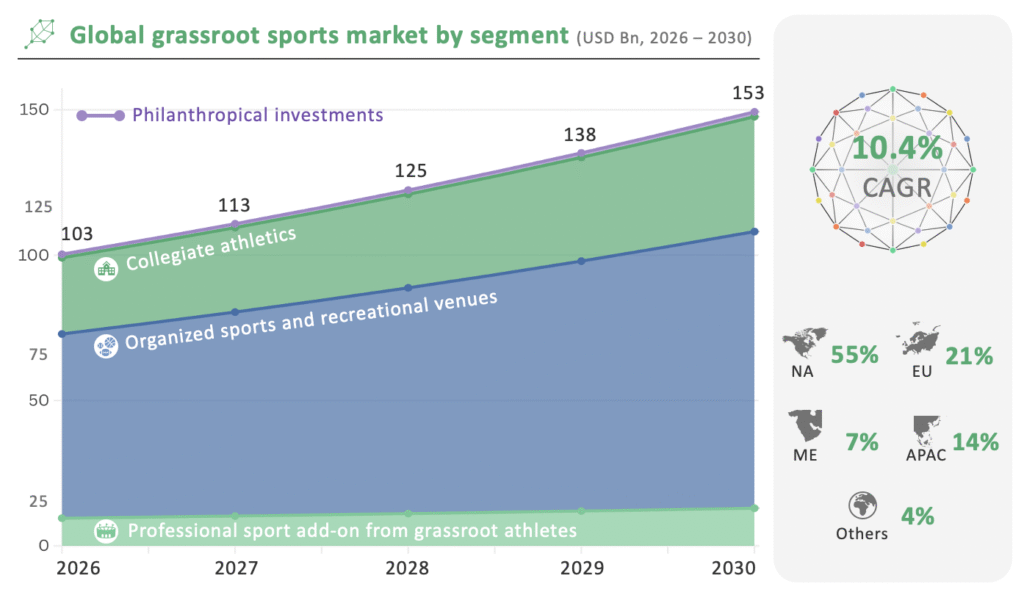
Sport communities are a $100Bn+ market globally
Grassroot sport, as defined by our framework, is uncovered to be a staggering 12-figure market globally, estimated at $103Bn in 2026 and growing at a CAGR of 10.4% until 2030 based on our analysis, generated across professional sport segments from grassroot athletes, organized leagues and rec-venues, collegiate athletics, and philanthropical investments in sport communities.
Noteworthy is the contribution of home-grown athletes to their respective sports; benchmarking major leagues across football, basketball, and American football, professional talent developed within grassroot ecosystems made up 14% of roster spots and was attributed a sizeable proportion of league revenues from media rights to sponsorships and game-day income.
While these four segments make up a directly traceable commercial economy for grassroot sports, our analysis additionally explored the indirect returns that community sports generate across society and wellbeing; this extension of the grassroot economy is approximately measured to generate an additional $300Bn+ in value globally.
North America as the front running grassroot ecosystem, EU, APAC, and ME follow
Attributed more than 80% of the collegiate athletics market, North America clearly leads the global grassroot sport economy with an estimated 55% split; beyond its iconic collegiate rivalries, this is also a reflection of much more established youth sport platforms between rec-leagues and varsity sports. Following the US with varying levels of maturity across grassroot segments are EU and APAC with estimated 21% and 14% splits respectively.
While the Middle East is only estimated 7% of the global market, that still highlights a $7.2Bn – $10.7Bn market over the coming 5 years, which outsizes estimates of the fast growing sports technology market in the region.